One of the most common questions providers hear during consultations is: “How many Botox units do I need?” If you’ve ever searched for answers online, you’ve probably found wildly different numbers—some accurate, some misleading, and many lacking context. The truth is, Botox isn’t one-size-fits-all. The number of units you need depends on the treatment area, your facial anatomy, muscle strength, goals, and whether you want subtle refreshment or more dramatic smoothing.
In this provider-backed breakdown, we’ll walk you through exactly how Botox dosing works, what to expect for popular treatments like forehead Botox, crow’s feet Botox, masseter Botox, and more—and why choosing the right provider matters just as much as the number of units used.
What Is a Botox “Unit,” Anyway?
Botox is a neuromodulator that relaxes targeted muscles to soften wrinkles, reduce tension, or slim certain facial areas. Each “unit” refers to a standardized dose of the product. Botox units are measured precisely, but how those units are placed—and where—makes all the difference.
Two people receiving the same number of units can have completely different results depending on muscle strength, facial symmetry, metabolism, and injection technique. That’s why reputable providers focus on custom dosing, not flat pricing or cookie-cutter treatments.
Factors That Affect How Many Botox Units You Need
Before breaking down specific treatment areas, it’s important to understand the key factors that influence Botox dosing:
- Muscle strength and activity (stronger muscles require more units)
- Gender (men typically need more units due to stronger facial muscles)
- Facial anatomy and symmetry
- Desired outcome (softening vs. freezing movement)
- Previous Botox use (consistent treatments can reduce unit needs over time)
- Metabolism (some people break down Botox faster)
A skilled provider evaluates all of these during your consultation to determine the right dosage—not too little, not too much.
Forehead Botox: How Many Units Are Typical?
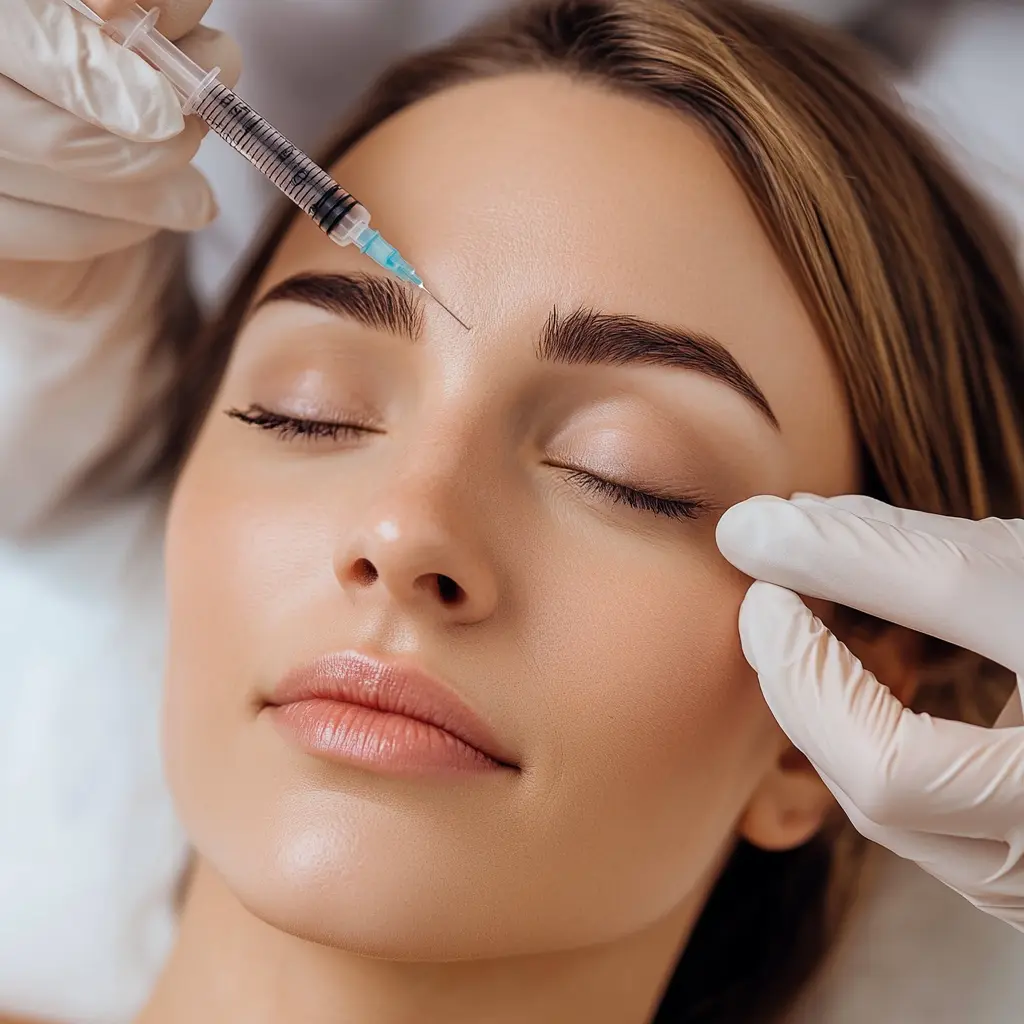
Forehead Botox is one of the most popular treatments, but it’s also one of the most misunderstood. Treating the forehead requires balance—too many units can lead to heaviness, while too few may not deliver visible smoothing.
- Typical range: 10–20 units
- Goal: Soften horizontal lines while preserving natural expression
Forehead Botox is often combined with frown line Botox (11s) to prevent brow imbalance. A provider will carefully assess your brow position and muscle movement before determining dosage.
Frown Lines (11s) Botox Units
The vertical lines between the eyebrows—often called the “11s”—are caused by repeated frowning and squinting. This area usually requires slightly more Botox due to strong muscle activity.
- Typical range: 15–25 units
- Goal: Relax the corrugator muscles for a smoother, more rested appearance
This is a high-impact treatment that often delivers dramatic results when dosed correctly.
Crow’s Feet Botox: What to Expect
Crow’s feet Botox targets the fine lines that form at the outer corners of the eyes when smiling or squinting. This area is delicate, and precise placement is key to maintaining a natural smile.
- Typical range: 10–15 units per side (20–30 total)
- Goal: Soften lines without affecting eye shape or expression
Many clients love crow’s feet Botox because it brightens the eyes and creates a refreshed look without being obvious.
Bunny Lines Botox
Bunny lines appear on the sides of the nose when smiling or scrunching the face. While a smaller area, proper dosing prevents over-relaxation.
- Typical range: 5–10 units total
- Goal: Smooth lines while preserving natural movement
This treatment is often added as a complementary enhancement.
Lip Flip Botox: Subtle Enhancement, Small Dose
A lip flip uses Botox—not filler—to gently relax the muscles around the upper lip, allowing it to roll outward slightly.
- Typical range: 4–8 units
- Goal: Create a fuller appearance without adding volume
Because the muscles around the mouth are highly active, precise dosing is critical to avoid functional issues like difficulty sipping or speaking.
Masseter Botox: Jaw Slimming & TMJ Relief
Masseter Botox is one of the most transformative treatments available. It’s commonly used for jaw slimming, facial contouring, teeth grinding, and TMJ relief.
- Typical range: 20–30 units per side (40–60 total)
- Goal: Reduce muscle bulk, relieve tension, and soften the jawline
Clients seeking masseter Botox often notice both aesthetic and functional benefits, including fewer headaches and reduced jaw pain.
Jawline Botox & Lower Face Treatments
Botox can also be used in the lower face to address concerns like a downturned mouth, chin dimpling, or jaw tension.
- DAO Botox (downturned mouth): 4–8 units
- Chin Botox (mentalis): 6–10 units
- Jawline Botox: varies based on anatomy
These treatments require advanced skill and an in-depth understanding of facial balance.
Neck Botox (Nefertiti Lift)
The Nefertiti lift uses Botox to relax the platysma bands in the neck, creating a smoother, more lifted appearance.
- Typical range: 20–50 units
- Goal: Improve neck contours and jawline definition
This treatment is ideal for clients noticing early signs of aging in the lower face and neck.
Botox for Medical & Functional Concerns
Botox isn’t just cosmetic. Many clients seek treatment for medical reasons:
- TMJ Botox: 40–60 units
- Migraine Botox: 155+ units (medical protocol)
- Hyperhidrosis (excessive sweating):
- Underarms: ~50 units per side
These treatments require specialized training and precise dosing protocols.
Why More Units Isn’t Always Better
It’s easy to assume that more units mean better results—but that’s not always true. Overdosing Botox can lead to:
- Heavy or droopy brows
- Frozen expressions
- Facial imbalance
- Shorter-lasting results due to muscle compensation
Experienced providers aim for strategic dosing that enhances your features while preserving natural movement.
How Long Do Botox Results Last?
Most Botox treatments last 3–4 months, though some clients experience longer-lasting results with consistent use. Areas like the masseters may last longer, while high-movement areas may metabolize Botox more quickly.
Regular treatments can help “train” muscles over time, often reducing the number of units needed in future sessions.
Why a Personalized Consultation Matters
Online charts and unit averages are helpful—but they’re not a substitute for a professional consultation. A qualified provider will:
- Analyze your facial movement at rest and in motion
- Discuss your goals and lifestyle
- Recommend the appropriate Botox type and unit count
- Create a long-term treatment plan
This ensures results that look refreshed, balanced, and completely natural.
The Bottom Line: Quality Over Quantity
When it comes to Botox, the goal isn’t using the fewest or most units—it’s using the right amount in the right places. Whether you’re considering forehead Botox, crow’s feet Botox, masseter Botox, or a full-face treatment, working with an experienced provider ensures safe dosing and beautiful results.
If you’re curious about how many units you need, the best next step is a professional consultation where your anatomy—not a chart—guides the treatment plan.