Facials are often seen as a luxury—something reserved for self-care days, vacations, or special occasions. But not all facials are created equal. If you’ve ever wondered why some facials promise relaxation while others promise real skin transformation, the answer lies in one key distinction: medical-grade facials vs. traditional spa facials.
While both have their place, understanding the difference can help you choose the right treatment for your skin goals, whether you’re dealing with acne, aging, hyperpigmentation, or sensitive skin. Let’s break down what truly separates medical-grade facials from spa facials—and why that difference matters more than most people realize.
What Is a Traditional Spa Facial?
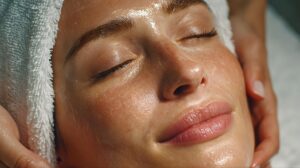
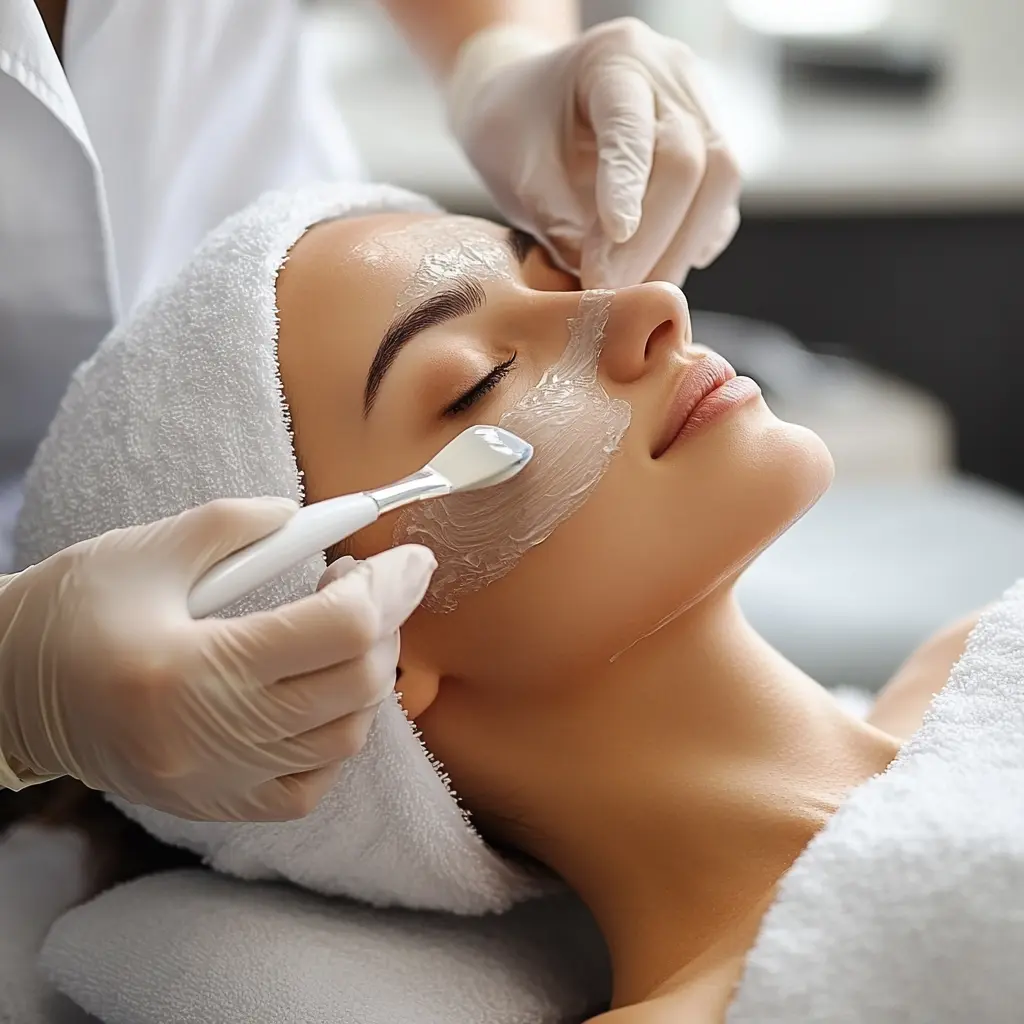
A traditional spa facial is primarily designed to relax, refresh, and temporarily improve the appearance of the skin. These treatments are commonly offered at day spas, salons, or resorts and focus heavily on the experience.
Spa facials typically include:
- Gentle cleansing
- Light exfoliation
- Steam
- Facial massage
- Masks
- Moisturizers or serums
The products used are generally cosmetic-grade, meaning they’re formulated to sit on the surface of the skin rather than penetrate deeply. While this can leave your skin glowing and hydrated for a short time, the results are often temporary.
Spa facials are ideal for:
- Stress relief and relaxation
- Mild dryness or dullness
- Occasional maintenance
- Special events or short-term glow
They’re enjoyable, soothing, and beneficial for mental well-being—but they’re not designed to correct underlying skin concerns.
What Is a Medical-Grade Facial?
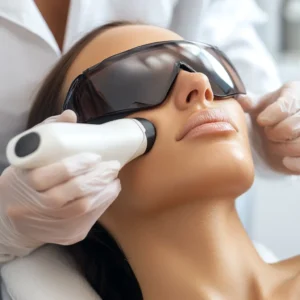
A medical-grade facial is results-driven and performed under the supervision of licensed medical professionals or highly trained clinical aestheticians. These treatments go beyond relaxation and are designed to improve skin health at a cellular level.
Medical-grade facials often incorporate:
- Clinical-strength exfoliants
- Advanced active ingredients
- Customized treatment protocols
- Medical-grade skincare products
- Technology-based enhancements
Unlike spa facials, medical-grade facials are tailored to your specific skin type and concerns, and they often include corrective elements like chemical exfoliation, collagen stimulation, or acne-clearing therapies.
The Biggest Difference: Product Strength & Penetration
One of the most significant differences between spa and medical-grade facials lies in the products used.
Spa Facial Products
- Lower concentrations of active ingredients
- Designed for general use and safety
- Limited penetration due to regulatory restrictions
- Focused on hydration and surface-level improvement
Medical-Grade Products
- Higher concentrations of active ingredients
- Formulated to penetrate deeper layers of skin
- Backed by clinical research
- Designed to correct, repair, and restore
Medical-grade skincare often contains ingredients like medical-strength retinoids, peptides, growth factors, acids, and antioxidants that simply aren’t available in spa or over-the-counter products.
Customization: One Size vs. Personalized Care
Spa facials often follow a set menu, with minimal customization beyond skin type (dry, oily, combination). While pleasant, this approach doesn’t address complex skin issues.
Medical-grade facials, on the other hand, are:
- Fully customized
- Adjusted based on skin condition, lifestyle, and goals
- Modified at each visit as your skin changes
This level of personalization allows medical facials to target specific concerns such as acne, rosacea, hyperpigmentation, melasma, fine lines, or premature aging.
Treatment Goals: Relaxation vs. Correction
Spa Facial Goals
- Stress relief
- Temporary glow
- Improved hydration
- Surface-level smoothness
Medical-Grade Facial Goals
- Improve acne and breakouts
- Stimulate collagen production
- Correct pigmentation issues
- Reduce fine lines and wrinkles
- Strengthen the skin barrier
- Improve long-term skin health
If your goal is to feel better, a spa facial can be perfect. If your goal is to see measurable improvements, a medical-grade facial is the better option.
Technology & Advanced Techniques
Spa facials typically rely on manual techniques and basic tools. Medical-grade facials may incorporate advanced technologies that dramatically enhance results, such as:
- Chemical exfoliation
- Microneedling enhancements
- LED light therapy
- Oxygen infusion
- Medical-grade dermaplaning
- Hydrating or collagen-stimulating boosters
These techniques allow providers to treat deeper layers of the skin safely and effectively.
Who Performs the Treatment Matters
Spa facials are usually performed by licensed aestheticians trained in relaxation and basic skincare techniques. Medical-grade facials are performed by clinically trained providers who understand skin physiology, conditions, and contraindications.
Medical providers can:
- Safely treat compromised or sensitive skin
- Adjust treatments for acne, rosacea, or pigmentation
- Combine facials with medical treatments
- Identify when a skin issue requires a different approach
This expertise is especially important for clients with reactive skin or chronic skin conditions.
Results: Temporary vs. Progressive
One of the most important differences is how long results last.
Spa facial results:
- Immediate glow
- Short-lived (often days)
- Best for special occasions
Medical-grade facial results:
- Progressive improvement
- Cumulative benefits over time
- Long-term skin health enhancement
With consistent medical-grade treatments, clients often see clearer skin, smoother texture, improved tone, and stronger skin barrier function.
Are Medical-Grade Facials Right for Everyone?
While medical-grade facials are incredibly effective, they aren’t always necessary for every person or every visit.
Spa facials may be ideal if you:
- Want relaxation without active correction
- Have minimal skin concerns
- Are seeking a pampering experience
Medical-grade facials are ideal if you:
- Struggle with acne or congestion
- Want anti-aging benefits
- Have sun damage or pigmentation
- Need sensitive-skin-safe treatments
- Want visible, lasting results
Many people benefit from incorporating both into their routine—spa facials for relaxation and medical facials for correction.
Cost Differences: Why Medical Facials Cost More
Medical-grade facials often cost more due to:
- Higher-quality, clinical-grade products
- Advanced technology and tools
- Provider expertise
- Customized treatment planning
- Longer-term results
While the upfront cost may be higher, medical-grade facials often provide better value because they address the root cause of skin issues rather than just masking them.
Choosing the Right Facial for Your Skin Goals
The best facial is the one aligned with your goals. If you’re unsure which option is right for you, a professional consultation can help determine the most effective approach based on your skin type, lifestyle, and concerns.
The key takeaway? Relaxation is wonderful—but transformation requires intention, expertise, and medical-grade care.
Final Thoughts: It’s Not About Better—It’s About Purpose
Spa facials and medical-grade facials serve different purposes. One soothes the mind and refreshes the surface; the other strengthens, corrects, and transforms the skin from within.
If you’re investing in your skin and want results that go beyond a temporary glow, understanding this difference empowers you to make informed, confident decisions—and gives your skin exactly what it needs to thrive.